







Search Results for: measuring tools
How is the extraction yield of immersion brewing calculated? Concentration measurement and practical demonstration under the Golden Cup theory
In the Golden Cup extraction theory, extraction yield and concentration are the two core metrics for assessing the flavor state of coffee. However, coffee that falls within the ideal range is not necessarily delicious, and coffee outside the range is not necessarily undrinkable—the key lies in how to use these two values to help adjust the brewing plan. From the perspective of Front Street, this article first clarifies the basic definitions and ideal ranges of extraction yield and concentration, then explains in detail how to use two sets of concentration measuring tools, and finally uses the Santa Vini anaerobic natural beans as an example to fully demonstrate the entire process from weighing the liquid weight to plugging it into the formula to calculate the extraction yield. [more…]
Measurement in Pour-Over and Espresso: Why a Digital Scale Beats a Measuring Spoon, and How Coffee-to-Water Ratio Affects Strength
In coffee brewing, the choice of measuring tools may seem like a minor matter, yet it directly affects consistency in the cup. A measuring spoon is convenient, but it measures volume rather than weight; due to differences in variety, cultivation, and roasting, the same level spoonful of different coffee beans may scoop out 9g or 11g, an error large enough to change the direction of the flavor. Front Street Coffee once conducted an experiment with Geisha Village Red Label Geisha: with water volume and other parameters unchanged, adjusting the dose by just 1g produced noticeable differences in concentration and extraction yield. This article will use experimental data to explain why electronic scales have become the first choice of coffee shops, and to show why measurement accuracy must be even higher under pressurized espresso extraction. [more…]
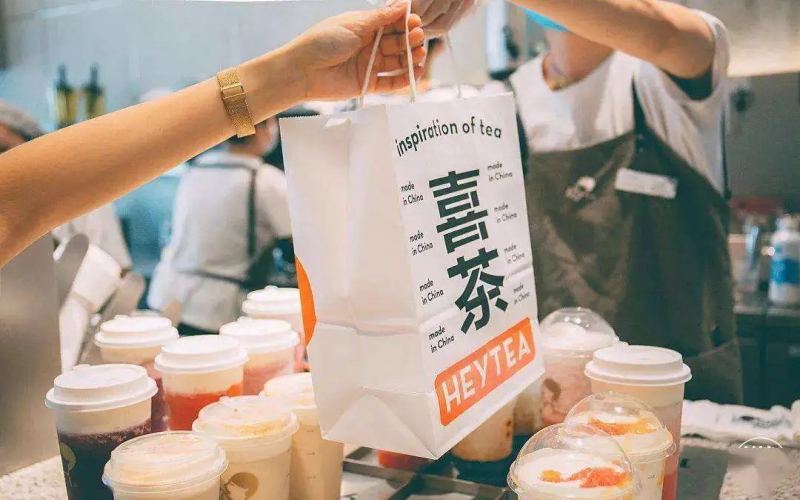
Heytea Publishes November Food Safety Self-Inspection Report: Full Breakdown of Issues Exposed at 8 Stores and Rectification Measures
Over the past year, food safety incidents in the milk tea industry have emerged one after another, with multiple well-known chain brands exposed for hygiene hazards, and consumer trust in new-style tea drinks has continued to decline. Amid a wave of skepticism, Heytea chose to proactively publish its November food safety action report, detailing the self-inspection results of stores nationwide, including the specific problems at 8 stores and their rectification, while also showcasing routine management measures such as disinfection and water/ice testing. Can this unconventional transparency set a new benchmark for the industry? This article will walk you through all the details of Heytea's report and explore its impact on consumer confidence. [more…]
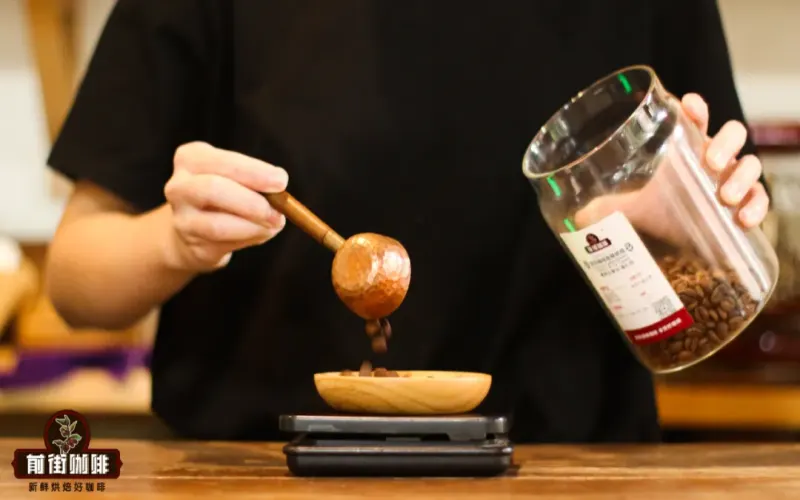
Do pour-over and espresso need a scale? Analyzing the necessity of precise weighing from dose to yield
Many coffee enthusiasts wonder when they see baristas using electronic scales in cafés: does making a cup of coffee really require such fuss? Couldn't you, like an experienced chef, just eyeball it or use a measuring spoon or cup and still brew good coffee? An electronic scale is indeed not an absolute necessity for making coffee, but eyeballing and measuring spoons have obvious inconsistencies. This article, based on actual tests at Front Street Coffee, first uses measuring spoons as an example to reveal that dark-roasted and light-roasted beans can differ by several grams in weight at the same volume, then explains the huge impact of dose deviation on concentration and flavor; next, using espresso as an example, it explains why cup markings cannot accurately reflect liquid weight. The article ultimately suggests that if you want consistent output or to study parameters, an electronic scale remains a trustworthy tool. [more…]
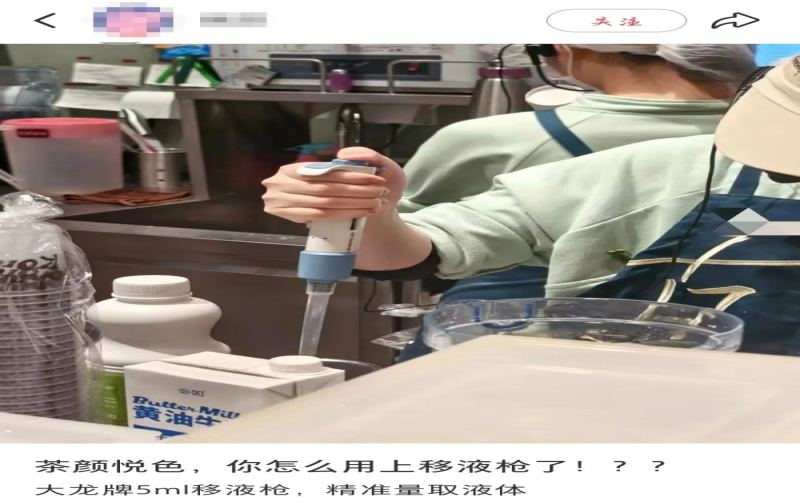
Tea shops introduce laboratory pipettes for mixing milk tea, sparking debate over operating standards and food safety
Recently, a customer at a Sexy Tea store discovered that an employee was actually using a pipette—commonly found in laboratories—to measure milk tea ingredients. The scene was photographed and quickly sparked heated discussion on social media. As precision experimental instruments, pipettes can measure liquids more accurately, but their operating standards are strict, and improper use may pose food safety risks. Many netizens with laboratory experience pointed out that untrained employees operating such equipment risks liquid backflow and contaminated tips, and whether disposable tips meet food-contact standards is also questionable. Opinions continue to clash over whether laboratory instruments can be used in food service settings. [more…]
Types and Names of Tea Brewing Utensils with Illustrations: A Complete Guide from Kettles to Tea Pets
To brew a good pot of tea, understanding tea ware is the first lesson for beginners. In Lu Yu's tea art culture, predecessors used "TEA WARE" rather than "TEA TOOL" to refer to all utensils for brewing and drinking tea, which shows the pivotal position of tea ware in the way of tea. From the twenty-four items recorded in Lu Yu's "The Classic of Tea" in the Tang Dynasty to the four treasures of tea brewing in Ming and Qing Dynasties gongfu tea, the use of tea ware has long surpassed mere functionality and evolved into a tea ceremony ritual that is repeatedly performed and preserved. This article will systematically sort out the definition of tea ware under the cultural context of Taiwan, and introduce one by one the names, uses, and selection points of common utensils such as the water-boiling kettle, teapot, lidded cup, fairness cup, aroma cup, tasting cup, tea scoop, tea holder, tea strainer, tea knife, and tea pet. Whether you are a beginner just starting out or an enthusiast who wants to refine your tea skills, this comprehensive guide to tea ware can help you build a clear cognitive framework. [more…]
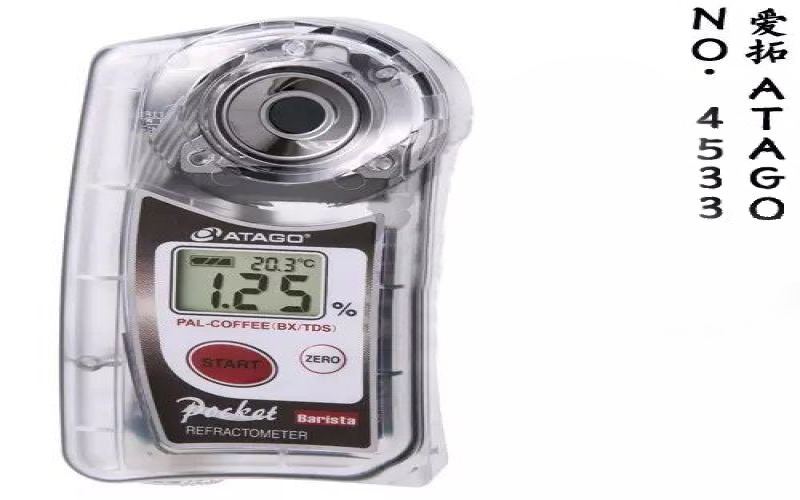
ATAGO Coffee Concentration Meter Operation Guide: A Complete Analysis from Zero Calibration to Extraction Yield Calculation
For coffee enthusiasts pursuing precise extraction, the ATAGO refractometer is a common professional tool. This article focuses on three coffee refractometers under the brand—4523, 4532, and 4533—sorting out their differences and purchasing advice, and addresses questions about accuracy comparisons with the VST LAB. Then, using the 4532 TDS model as an example, it explains step by step the practical essentials such as the unboxing checklist, battery installation, zero calibration, concentration measurement, and extraction yield calculation. The article also particularly reminds readers of easily overlooked details such as zeroing frequency, sample temperature, and cleaning taboos. If you are currently using or considering purchasing an ATAGO refractometer, this guide will help you avoid common pitfalls and make every measurement more reliable. Front Street Coffee also emphasizes the standardized use of such instruments in daily quality control. [more…]

Coffee Brewing Water Blending, Paragon Ice Ball, and Tasting Cup Stacking Effect Test: Front Street Coffee Huakui Blind Test Comparison
When brewing coffee, water quality, cooling methods, and tasting cup types are often treated as independent variables, but can combining all three lead to more significant sensory improvements? Front Street Coffee designed a controlled experiment using Huakui beans as samples: one group used regular mountain spring water, no ice ball, and a standard espresso cup, while the other used a custom water concentrate, a Paragon ice ball, and an aromatic tasting cup, with completely identical brewing parameters. Through concentration measurements and blind tasting, the actual contributions of these tools at different stages were verified. This article documents in detail the TDS control of the custom water concentrate, the cooling mechanism of the Paragon ice ball, and the aroma-concentrating effect of the tasting cup, and invited colleagues and customers to participate in a blind selection. The final results were highly consistent, providing coffee enthusiasts with a reproducible reference for combined techniques. [more…]
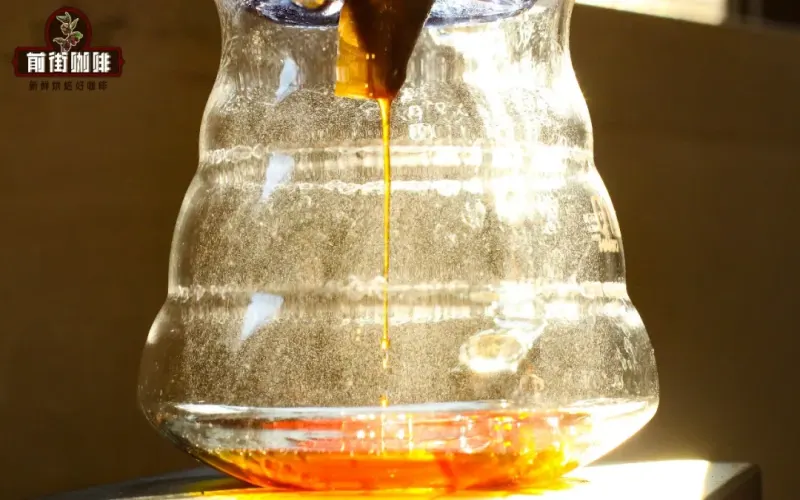
Judging Espresso Extraction by Color Observation: Is It Reliable? Tips for Identifying Under-Extraction and Over-Extraction
During coffee extraction, many enthusiasts try to judge the extraction state by observing changes in the color of the coffee liquid—the so-called "reading the color" method. Does this method have any scientific basis? Can it accurately distinguish between under-extraction and over-extraction? Front Street Coffee, based on practical testing, found that the color of the coffee liquid does indeed become lighter as extraction progresses, because the acidic and sweet substances among the solubles have smaller molecules and dissolve more quickly, while the bitter substances have larger molecules and dissolve more slowly. Once the acidic and sweet substances have largely dissolved, the bitter substances are still being released, and the coffee liquid begins to take on a whitish hue, which is usually regarded as a signal of approaching over-extraction. However, this method is greatly affected by factors such as flow rate and roast level, and is only suitable as an emergency reference; stable output still needs to rely on measuring tools such as an electronic scale. [more…]
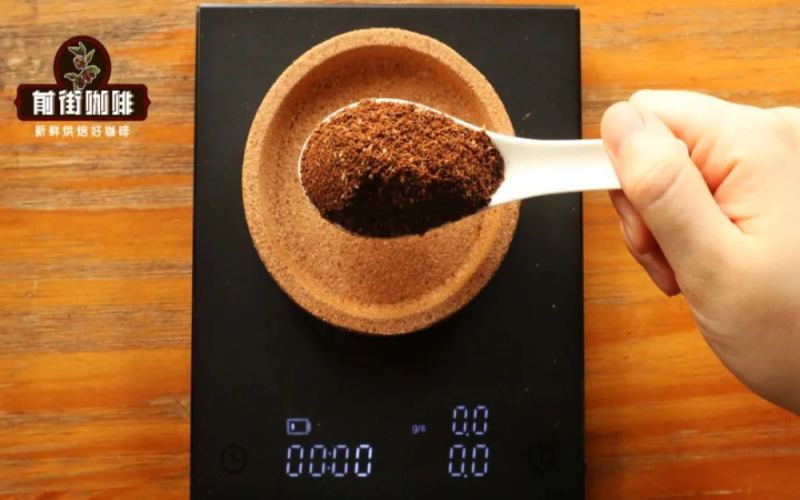
How Many Grams Is a Scoop of Ground Coffee? And How Many Scoops Are in 15 Grams of Coffee Beans? A Practical Conversion Guide
Many friends who are just getting into pour-over coffee, in order to save money, often skip tools like electronic scales and thermometers, and instead use spoons they already have at home to estimate their coffee dose. But spoons vary in size and depth, and the roast level of the coffee beans also affects density, so there is no uniform answer to how many grams a single spoon holds. This time, Front Street Coffee specifically gathered four common types of spoons—a porcelain soup spoon, a small stainless steel spoon, a cupping spoon, and a promotional bean scoop—and separately weighed light roast, medium-light roast, medium-dark roast, and dark roast coffee beans before and after grinding, compiling a complete set of data, and teaching you how to convert, based on roast level, the number of scoops needed for close to 15 grams of coffee, so that even without an electronic scale you can still roughly control your coffee dose. [more…]
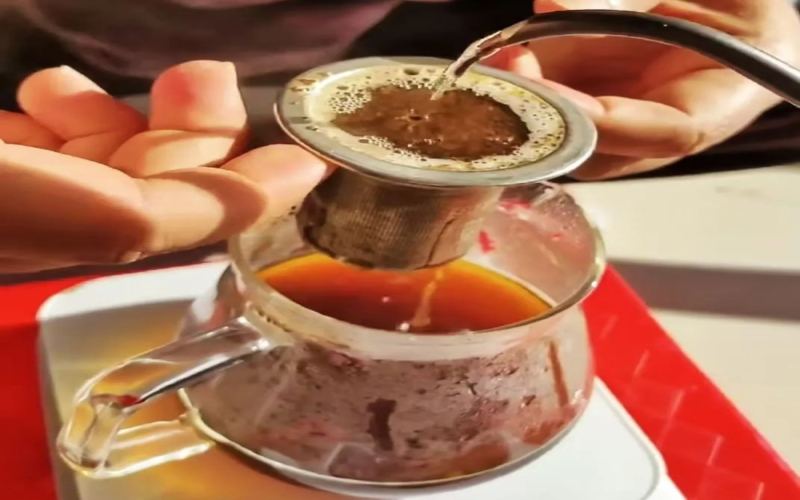
What to Do If You Don't Have a Digital Scale for Pour-Over Coffee? Visual Estimation Tips and Pulsed Pouring Plans for 15g of Grounds
The consistent output of pour-over coffee is inseparable from the precise measurement of an electronic scale, but if you run into the predicament of a broken scale, a dead battery, or simply no alternative tool to be found, does that mean you have to give up on a good cup of coffee? Starting from the two core variables of coffee dose and water volume, this article shares Front Street Coffee's hands-on experience: how to judge 15g or 20g of ground coffee by visually estimating the height of the coffee bed, how to use the dripper's markings as a reference under different roast levels, how to choose a coffee-to-water ratio between 1:14 and 1:16, and a three-stage blind brewing process that requires no scale. Even without equipment, mastering these techniques can still brew a qualified pour-over of about 210ml. [more…]
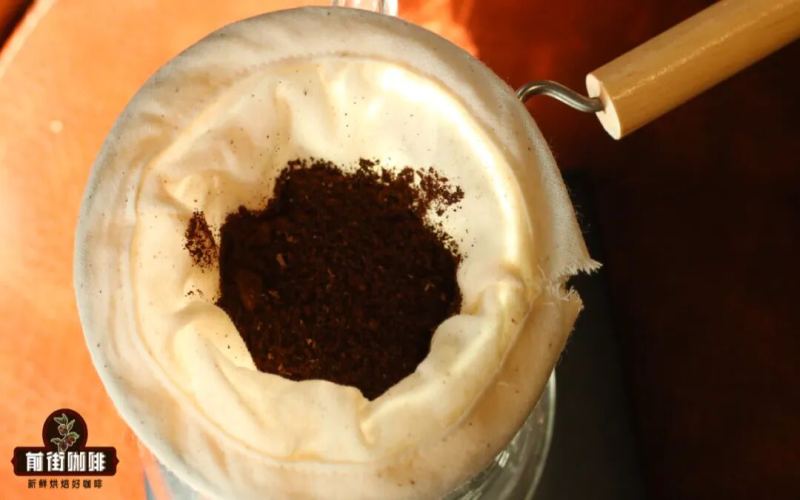
手冲咖啡冲煮方法|日式冲煮为何偏爱用法兰绒冲煮咖啡?法兰绒咖啡有哪些风味特点?
Speaking of flannel filter cloth, many friends may have only seen it in some Japanese films and TV dramas or in Japanese-style brewing introduced by bloggers, and have never actually used it. Because compared to filter cloth, the vast majority of people use filter paper and filter cups, this mainstream filtering tool, when brewing coffee. Ways to get to know flannel filter cloth [more…]
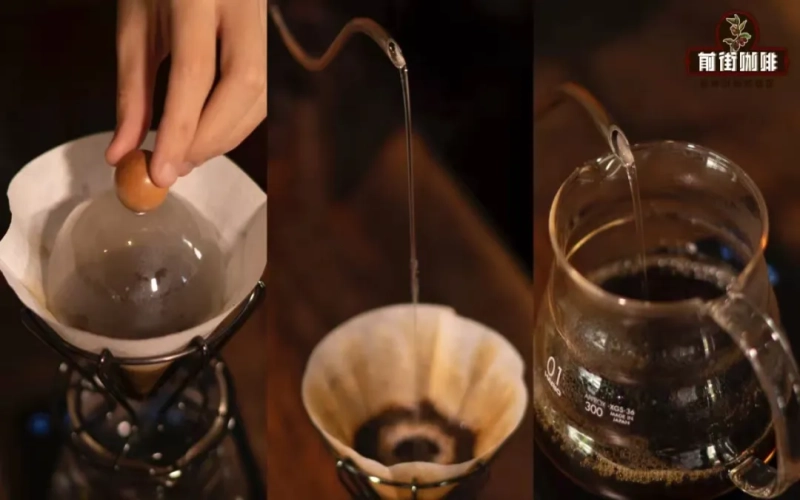
An In-Depth Analysis of the Japanese Matsuya-style Pour-Over: Why Are the Water Temperature, Blooming, and Coffee-to-Water Ratio So Extreme?
Extraction water temperature of 100°C, a bloom lasting as long as 180 seconds, a coffee-to-water ratio of 1:5, plus lid-on blooming, ultra-high pouring, and a large amount of bypass water—Matsuya-style brewing seems extreme in every respect, yet it was once believed to consistently produce good coffee and even took Japan by storm for a time. When Matsushita Yoshikazu created this method in 1962, measuring tools were not yet widespread, so he used techniques like boiling water, high pouring, and bypass to replace the thermometer and digital scale. Today, Front Street Coffee takes you through an in-depth breakdown to see what logic and wisdom lie behind these seemingly counterintuitive operations. [more…]
Master the Three Extraction Variables to Easily Adjust Your Espresso Recipe
For baristas who work with espresso machines every day, adjusting the espresso recipe is a familiar daily routine. Only through repeated tasting and fine-tuning of the grind size and coffee-to-water ratio can you produce a truly satisfying cup. Starting from the basic principles of extraction, this article introduces the three core parameters of recipe adjustment—dose, yield, and extraction time—and explains why grind size is the only lever for changing the recipe. It also explores the origin of the 18–22% golden extraction range and how to use a refractometer to scientifically measure extraction results. Whether you are a coffee professional or a seasoned enthusiast, these methods can help you optimize your espresso recipe more rationally. [more…]
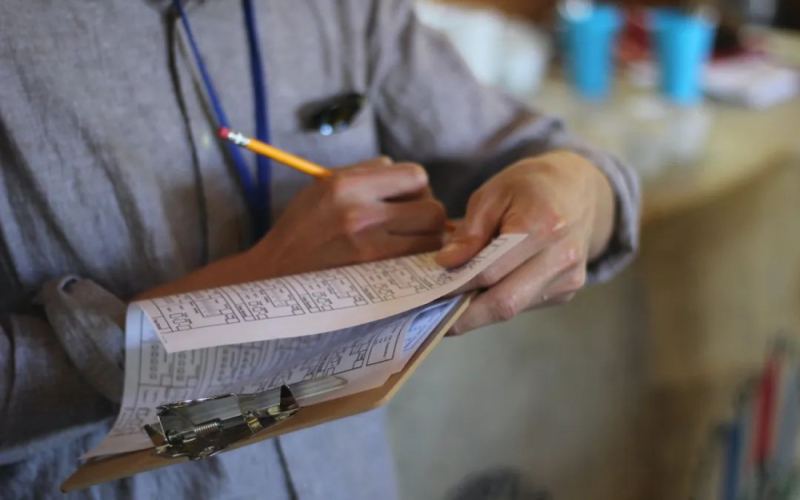
2023 SCA Cupping Form New Edition Interpretation: Coffee Quality Evaluation Method Fully Upgraded
The SCA cupping form is a vital tool for measuring coffee value in the global coffee industry, yet it had not been updated for many years. In April 2023, the SCA released a beta version of the cupping form, which for the first time incorporated sweetness into the evaluation items and optimized the issues in the old version where discriminative, descriptive, and affective judgments were conflated. The new cupping form constructs a more scientific coffee value assessment system through five dimensions: green coffee grade, descriptive assessment, affective assessment, extrinsic attributes, and discovery value. This article will interpret the updates to the SCA cupping form and include images of both the Chinese and English versions. Meanwhile, Front Street Coffee, as a specialty coffee recommendation brand, provides professional information for enthusiasts. [more…]
How Are Coffee Extraction Yield and Strength Measured? An Analysis of the Practical Significance of the Golden Cup Extraction Standard
Extraction yield and concentration are the two core quantitative metrics for assessing the state of a cup of coffee, and they also form the foundation of the Golden Cup extraction theory. However, the Golden Cup range is not an absolute standard for good taste—it is more like a helpful reference ruler that helps us determine where a coffee's problems lie. In this article, Front Street will systematically explain the definitions, calculation logic, and practical applications of extraction yield and concentration, clarify why coffee falling within the Golden Cup range is not necessarily tasty and coffee outside the range is not necessarily unpleasant, and explain how to use these two values to find reasonable directions for brewing adjustments. [more…]
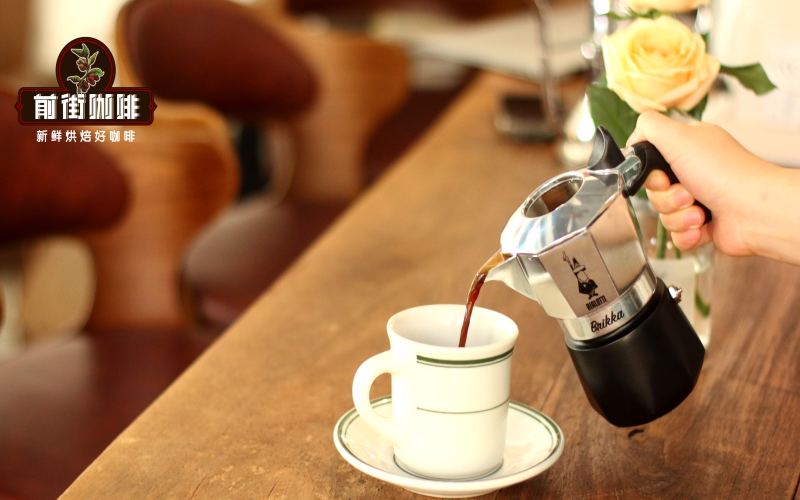
How High Should the Heat Be for a Moka Pot? A Full Breakdown of Metal Shell Design, Heating Methods, and Coffee Bean Selection
The moka pot is one of the lowest-barrier and least expensive tools for making strong coffee, and for enthusiasts who love espresso-style flavor but aren't ready to buy a semi-automatic espresso machine, it's a very friendly choice. Although it's said that every Italian nonna has one, if you really want to use it well, there are some basics you need to understand in advance. Today, Front Street Coffee will take you into the fun world of the moka pot, focusing on several core questions: flame intensity, the metal body design of the pot, and heating methods. We'll also talk about how to choose coffee beans, how fine to grind, how to fill the basket, how to control the water amount, and when to turn off the heat, helping you easily brew a cup of moka pot coffee with rich crema and aromatic flavor. [more…]
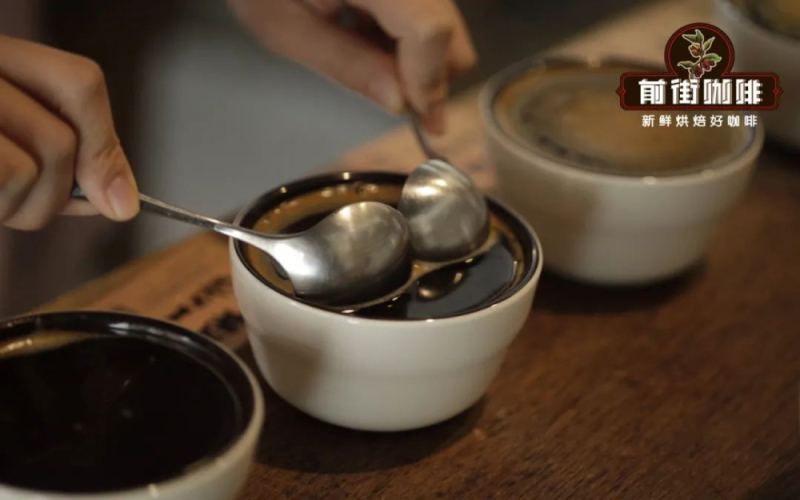
A Detailed Breakdown of the SCAA Cupping Score Sheet: Ten Dimensions from Aroma to Overall Evaluation
The SCAA cupping form is an important tool for judging quality in the specialty coffee industry. It consists of ten scoring categories, covering the complete sensory experience from dry aroma and wet aroma to overall assessment. This article explains the specific meaning and key evaluation points of each scoring dimension one by one: aroma is divided into dry aroma and wet aroma; flavor during slurping is the core basis for scoring; aftertaste measures the persistence of flavor; acidity distinguishes high-quality fruity acidity from undesirable acidity; body focuses on mouthfeel; uniformity checks whether the samples are consistent; balance assesses whether all aspects are harmonious; cleanliness is an essential threshold for specialty coffee; sweetness reflects harvest maturity and quality; and overall assessment reflects the cupper's comprehensive impression. Whether you are an enthusiast who has just encountered cupping or a professional hoping to refine your sensory skills, this item-by-item interpretation can help you understand the logic of using the SCAA cupping form more systematically. [more…]
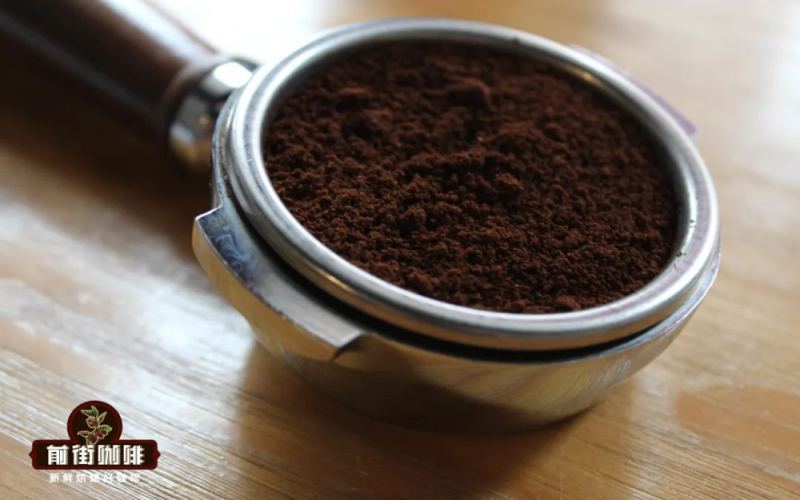
What Is the WDT Distribution Method? A Full Breakdown of Needle Distributor Techniques and Whether You Really Need to Buy One
When making espresso, the distribution step often determines the quality of the final product. Humid weather can easily cause channeling, while static-induced clumps make extraction even more unstable. To solve these problems, WDT (Weiss Distribution Technique) and needle distribution tools came into being. This article will guide you through the origins and principles of WDT, explain the practical operation of needle distribution tools, and, combined with Front Street Coffee's comparative tests, explore whether it is worth buying. Whether you are a barista pursuing consistent output or an enthusiast who loves to experiment at home, you can gain practical distribution ideas from it. [more…]
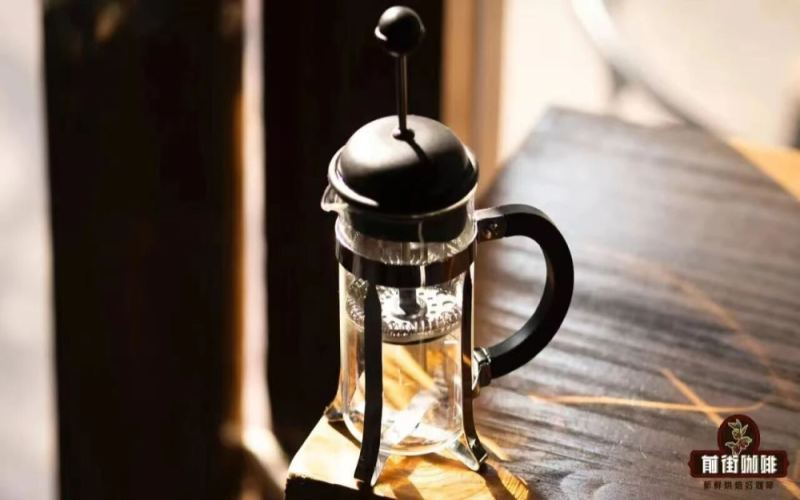
The Complete Guide to French Press Coffee: Bean Selection, Ratios, and Extraction Time Explained
As an immersion brewing tool, the French press is able to fully reveal the richness and intensity of coffee. This article systematically walks through the French press process, from bean selection and grinding to the water-to-coffee ratio and extraction time, and recommends the Front Street Queen's Farm, a yellow bourbon coffee bean from a high-altitude growing region in Brazil. Whether you are a beginner or an enthusiast with some experience, you will find practical tips you can use to make a satisfying cup of French press coffee. [more…]